
Hypersonics on the Hill: ARRW back in Air Force quiver, Army to seek new munitions
Army leaders also discussed the future of their non-hypersonic long-range missile options, including tests planned for a newer munition.
Army leaders also discussed the future of their non-hypersonic long-range missile options, including tests planned for a newer munition.

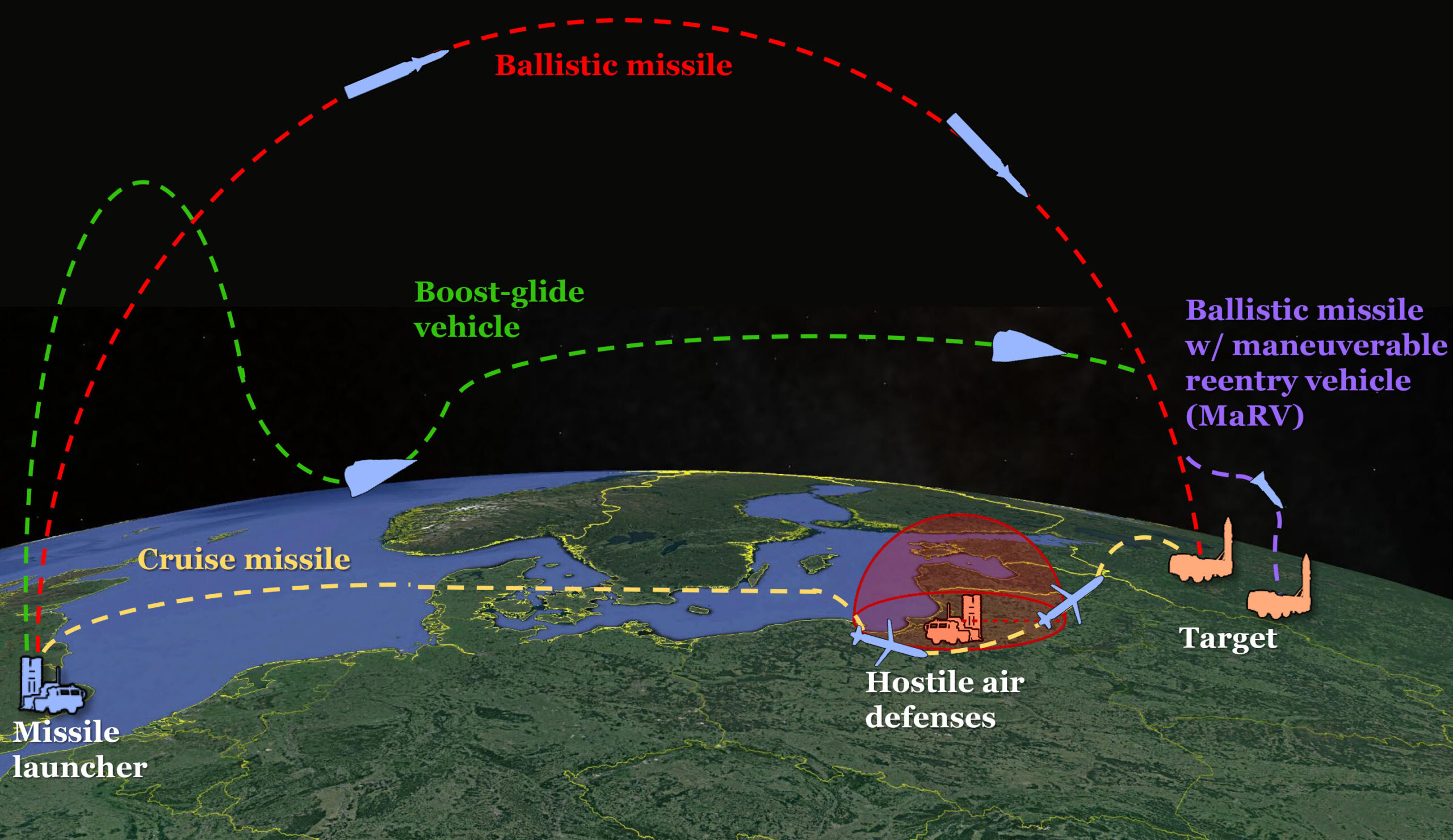
Providing air-breathing and boost-glide hypersonics propulsion requires a holistic approach to address each system’s unique needs for speed.


L3Harris’ launched effects portfolio comes from a pedigree of proven capabilities and decades of experience.

You can imagine a reusable system that can fly around and drop payloads and come back, or a hypersonic system that can carry other hypersonic systems," said Gillian Bussey, head of DoD's Joint Hypersonics Transition Office.
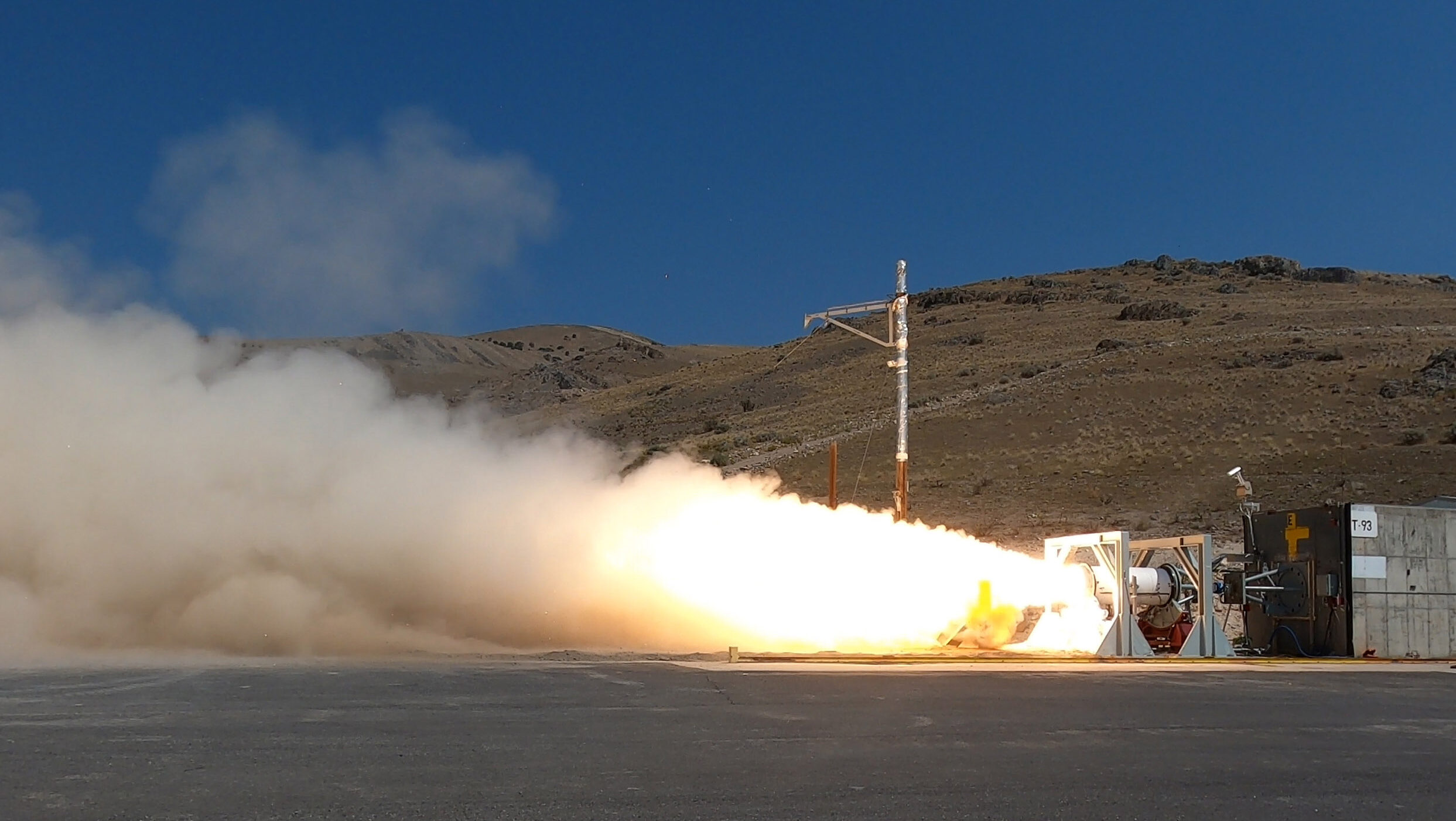
The test is a "critical milestone" on the way to fielding a common hypersonic missile used by the Navy and Army.

Training with the first Long Range Hypersonic Weapon prototype system will commence on Oct. 18, says Rob Strider, deputy director of the Army Hypersonic Project Office.
The first four flight tests – one a failure -- took nine years. The next five will take less than three years.


A decorated combat aviator and biotech CEO advocates preparing for novel viral threats before the next crisis.

While Army and Navy spending nearly double, Air Force and independent agency spending drops almost 40 percent.

For the rest of this year, the Navy is doubling down on its boosters, conducting a series of static fire tests to collect data before another test firing. "We've been crawling, now we're starting to walk where we're going to get the booster design done -- we're going to static test this year -- and then we will start to truly, truly run," Wolfe said.
The two services will use the same rocket booster and glide body, just packaged differently to fire from trucks vs. ships, with the Army version entering service in 2023.
Research and development spending on hypersonics will nearly double in ‘21, and it will triple for lasers, as the service rushes to deploy combat-ready prototypes.


Predictive artificial intelligence and autonomy will reshape how forces are sustained across the Pacific.

The nine startups are pitching everything from composite materials to small propulsion units that can enable hypersonic (i.e. faster than Mach 5) flight.
Dynetics will build the Common Glide Body for both the Army and Navy, which Lockheed will integrate into full-up weapons for the first Army battery by 2023.

As Mark Lewis, an expert on hypersonics at the Institute for Defense Analyses, said here at the NDIA conference: "You can’t walk more than 10 feet in the Pentagon without hearing the word hypersonics."
To take out Russian and Chinese targets from a thousand miles away, the US Army wants two very different weapons: a hypersonic missile and a giant cannon.